
Cultural Crossings: Art and the Movement of Ideas Between Asia and Europe
by Next Korea: Galleries
With Noah El Achem & Kay Yoon (Artists); Moderation: Vivienne Chow (Journalist & Writer)
A first collaboration with Korea Arts Management Service (KAMS) brings seven emerging Korean galleries to Paris through NEXT KOREA: GALLERIES.
WHEN?
Saturday, October 24th at 3pm
WHERE?
TALK SPACE - Bridge Level 2
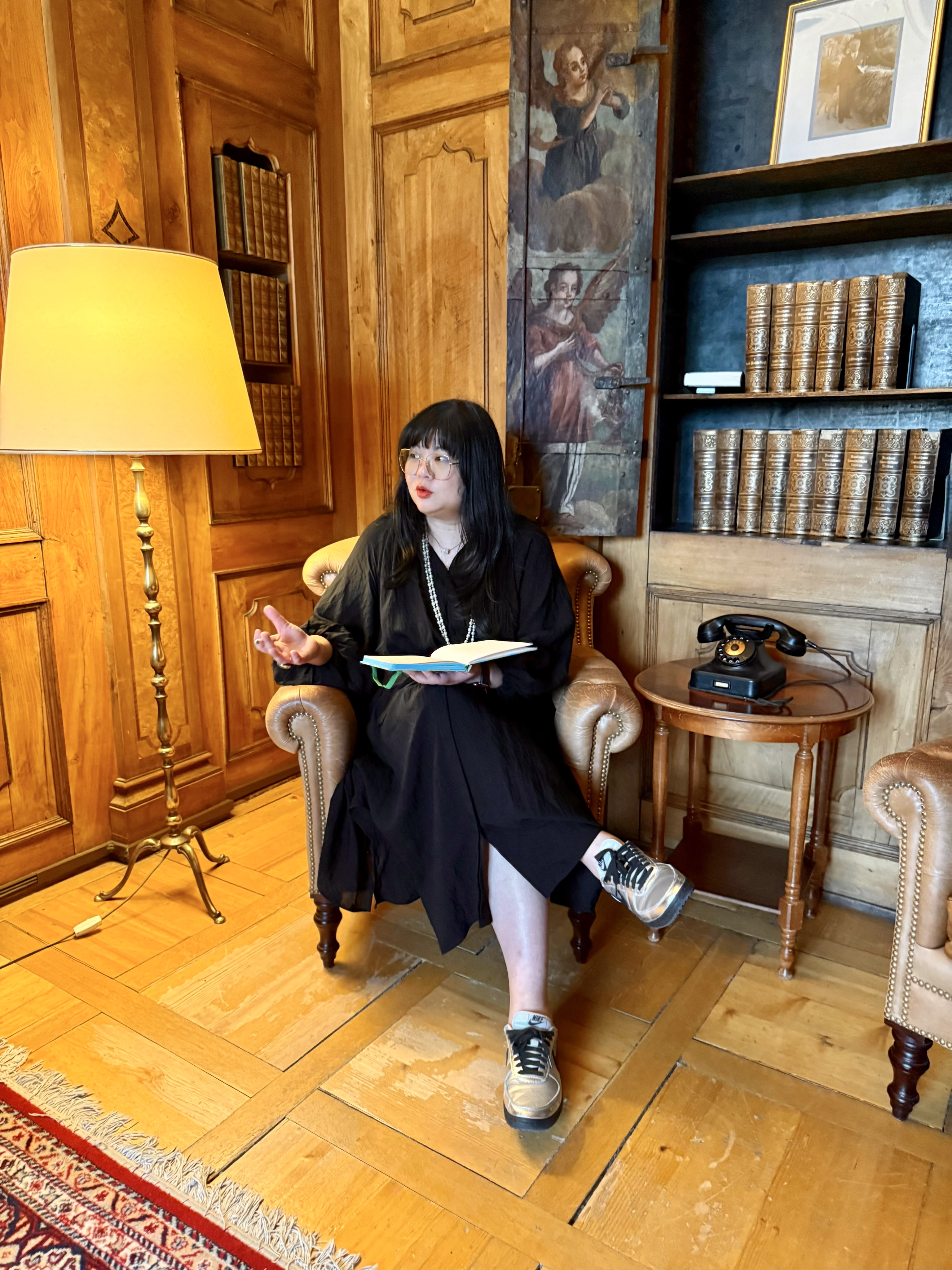
Vivienne Chow is an award-winning journalist, writer and cultural strategist whose work examines art, cultural ecosystems and identity at the nexus of East and West. Through her reporting and analysis, she aims to break down cultural barriers, uncover untold stories, and foster dialogue among art-world players from diverse backgrounds. She is a Salzburg Global Fellow and an IJP Premium Fellow. She is founder of the independent platform Cultural Fulcrum and Writer-in-Residence at esea contemporary in the UK. She can be reached via Instagram @missviviennechow.
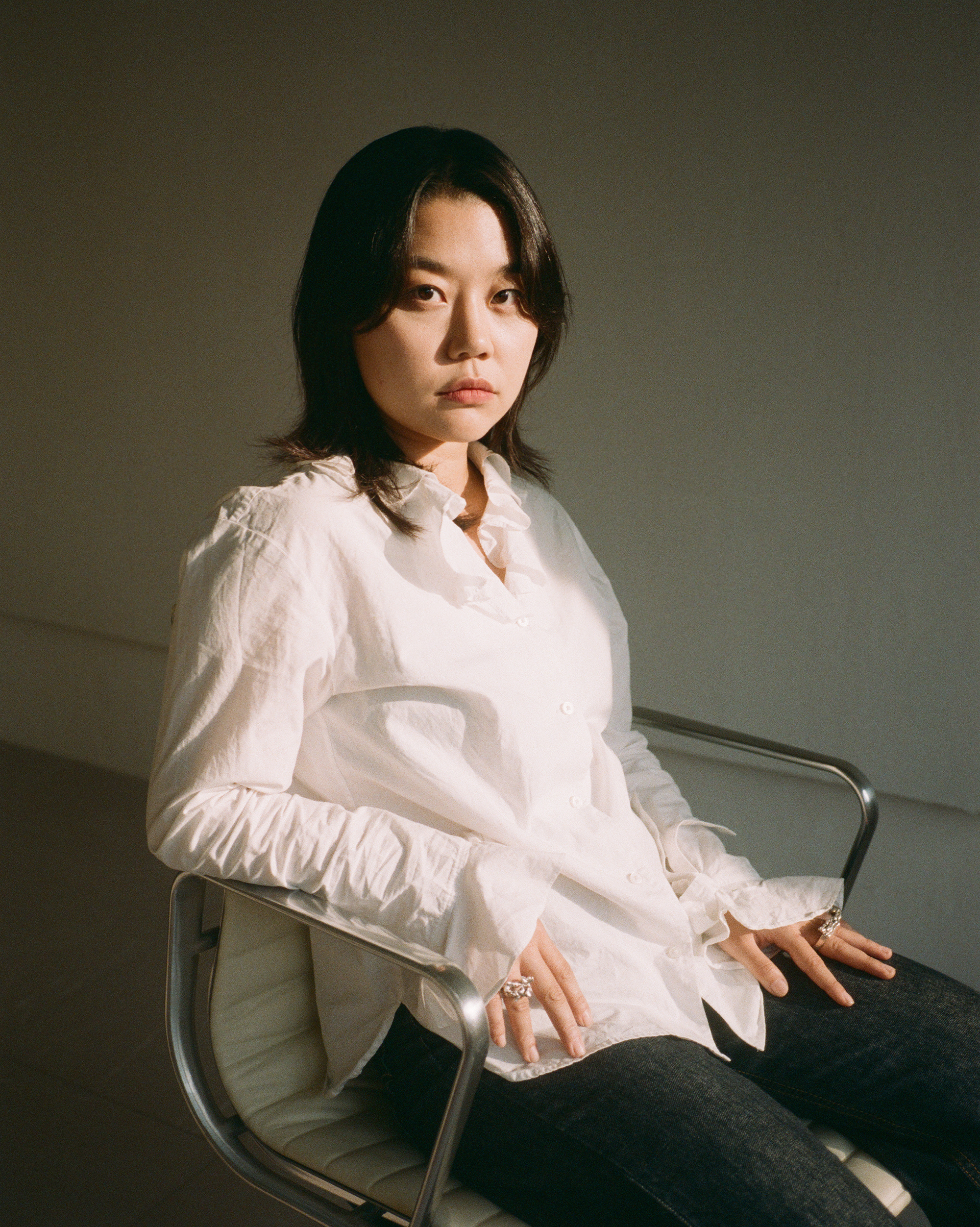
Kay Yoon is an artist. She works with sound, ceremonial objects and industrial materials.
In her installations and performances, machine parts take on ritual meaning, and inherited traditions meet the present. She draws on pansori, a Korean form of sung storytelling, and combines it with machine noise and everyday materials.
Yoon translates feelings that are hard to put into words into vibration, sound and physical performance. Her work has been shown at the Jeonnam Museum of Art and at Bistro 21 in Leipzig, and in solo exhibitions in Berlin, Munich and Lucerne.
Noah El Hachem is a painter based in Düsseldorf, Germany. His work centers on side-facing profiles, recurring objects, and the empty spaces around them, approaching form not simply as something that comes into view, but as something held by structure. In his paintings, objects and figures are not placed naturally within a scene; they appear as elements designed for the pictorial field itself. Forms do not grow or unfold freely, but remain on the surface as cut, fixed, and deliberately positioned components. Each painting is built through repeated sessions and periods of drying, with layers that remain adjacent without resolving into a single scene or shared time. His work draws attention less to what an image depicts than to how time and matter settle on the surface and become legible.
You are using an outdated browser.
Please upgrade your browser to improve your experience.